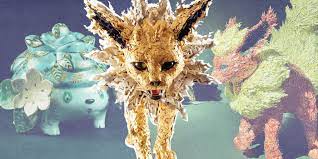
Since Pokémon’s debut in 1996, Japan has been at the heart of the franchise’s growth—not only in games and animation but also in physical displays that bring the Pokémon world to life. Over the decades, Japanese pokémon display (Display pokémon japonais) have evolved from simple promotional setups to elaborate, immersive experiences that reflect cultural trends, technological advancements, and fan expectations. These displays, found in stores, events, museums, and public spaces, have become iconic symbols of the franchise’s legacy and creative spirit.
The Early Years: Simplicity and Nostalgia
In the late 1990s, Pokémon displays were relatively simple, often limited to cardboard standees, poster walls, and hanging banners in toy stores and game shops. These displays focused on the original 151 Pokémon, especially Pikachu, who quickly became the franchise’s mascot. Early merchandise shelves were packed with colorful packaging and playful designs, capturing the attention of children and encouraging the Pokémon craze that swept Japan.
Pokémon Centers and Permanent Installations
As the franchise expanded, so did its physical presence. The opening of official Pokémon Centers in the early 2000s marked a major shift. These stores featured dedicated display zones with life-sized Pokémon statues, themed decor, and seasonal decorations. Each center began to develop its own identity, often showcasing region-specific Pokémon and changing displays based on game releases or anniversaries. This era laid the foundation for Pokémon as more than a game—it became a lifestyle brand.
Event-Based and Traveling Exhibits
Throughout the 2000s and 2010s, Pokémon displays grew beyond retail. Traveling exhibitions, museum collaborations, and temporary pop-up events became common. These displays featured interactive zones, history walls, and rare artwork. Exhibits like the “Pokémon Fossil Museum” and “Pokémon Art Walk” blended education with entertainment, offering fans a deeper connection to the franchise’s creative and cultural roots.
Integration of Technology
Modern Japanese Pokémon displays now incorporate advanced technology such as augmented reality, digital animation, and projection mapping. Interactive panels allow visitors to learn about different Pokémon, and some displays respond to touch or motion. Notable examples include digital walls in Pokémon Centers and AR experiences during Pokémon Go Fest events in Japan. These elements bring the creatures to life in ways previously only imagined.
Seasonal and Cultural Themes
Throughout the years, displays have also celebrated Japanese seasons and traditions. From sakura-themed Pikachu exhibits in spring to summer festival-inspired decorations and New Year’s displays featuring Pokémon in traditional attire, these installations blend national culture with franchise identity.
In Summary
Japanese Pokémon displays have evolved dramatically over the years—from humble promotional setups to technologically advanced, artistically rich installations. These displays not only showcase the franchise’s growth but also reflect Japan’s ability to celebrate pop culture with creativity, tradition, and innovation.