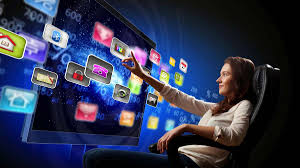
Traditional television, with its fixed schedules and bulky hardware, is quickly becoming a thing of the past. Internet Protocol Television (IPTV) has emerged as a powerful alternative, offering viewers more flexibility and control over what they watch. If you’ve ever wondered how this technology works and why it’s gaining so much traction, you’re in the right place. Here are the answers to some common questions about how IPTV is changing the way we watch TV.
What exactly is IPTV?
IPTV stands for Internet Protocol Television. Instead of receiving TV signals through traditional satellite or cable formats, IPTV delivers content over the internet. This allows you to stream live television, video on demand (VOD), and other media directly to your devices, such as smart TVs, computers, or smartphones. Think of it as a more versatile and personalized version of cable TV, powered by your internet connection.
How is IPTV different from regular streaming services?
While both IPTV and services like Netflix or Hulu use the internet, their core offerings are different. Streaming services primarily provide libraries of on-demand movies and shows. IPTV, on the other hand, specializes in delivering live television channels—the same ones you’d find on cable or satellite—in addition to on-demand content. This makes it a direct replacement for traditional TV subscriptions, offering a much wider range of live sports, news, and international programming.
What are the main benefits of using IPTV?
The biggest advantage of IPTV is the sheer flexibility it offers. Viewers are no longer tied to a TV provider’s fixed schedule. With features like catch-up TV, you can watch shows you missed hours or even days after they’ve aired. Many IPTV services also provide extensive on-demand libraries, giving you access to thousands of movies and series at your fingertips. Furthermore, because it runs on the internet, you can watch your favorite content from almost any device, anywhere you have a stable connection.
Is IPTV the future of television?
All signs point to yes. As internet speeds improve and more people seek personalized entertainment, IPTV is perfectly positioned to become the new standard. It combines the best of live TV with the convenience of on-demand streaming, creating a viewing experience that is both comprehensive and tailored to individual preferences. By giving viewers unprecedented control over what, when, and how they watch, IPTV isn’t just changing television—it’s redefining it.