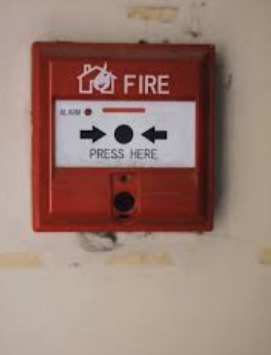
A Fire Watch Guard is a trained professional responsible for monitoring areas at risk of fire. They play a critical role in preventing fire-related incidents by detecting hazards early and responding promptly. Unlike automated systems, Fire Watch Guards provide human vigilance, which is essential in high-risk environments such as construction sites, industrial facilities, and large commercial spaces.
Why is Training Important for Fire Watch Guards?
Effective fire prevention depends heavily on the skills and knowledge of the personnel involved. Studies indicate that workplaces with trained fire watch personnel experience up to 50% fewer fire-related incidents compared to those without dedicated monitoring. Training equips guards with the ability to identify hazards, respond quickly to emergencies, and ensure the safety of both property and personnel.
What Are the Key Training Areas for Fire Watch Guards?
Fire Detection and Prevention
Fire Watch Guards are trained to recognize early warning signs, such as smoke, unusual heat, sparks, or malfunctioning equipment. Statistics show that early detection can significantly reduce the impact of fire incidents, minimizing property loss and potential injuries.
Emergency Response Procedures
Training includes handling emergency situations, coordinating evacuations, and assisting personnel to safety. Guards learn how to act swiftly and calmly, which is crucial for minimizing chaos during fire emergencies. Data indicates that workplaces with trained personnel have faster and more organized emergency responses.
Use of Firefighting Equipment
Fire Watch Guards are instructed on the proper use of firefighting tools such as extinguishers, hoses, and fire blankets. Studies reveal that prompt access to functional equipment during the initial moments of a fire can control or even prevent up to 60% of potential damage.
Observation and Reporting Skills
Guards learn to document incidents and potential hazards accurately. This record-keeping is essential for ongoing safety assessments, trend analysis, and implementing preventive strategies. Research suggests that well-documented fire watch logs contribute to a 30% improvement in overall site safety.
Site-Specific Hazard Recognition
Different environments pose unique fire risks. Fire Watch Guards receive training tailored to their deployment location, whether it’s a construction site, manufacturing plant, or commercial building. Targeted training ensures that guards can recognize and respond to hazards relevant to their environment.
Are Certifications Necessary for Fire Watch Guards?
Yes, certifications demonstrate that a guard has undergone professional training and possesses the knowledge required for effective fire monitoring. Certified personnel are better prepared to handle real-world hazards, improving workplace safety and reducing the likelihood of fire-related incidents.
How Does Training Improve Overall Safety?
Trained Fire Watch Guards enhance situational awareness and encourage compliance with safety protocols among staff. Industry reports show that workplaces employing certified guards experience significantly fewer fire incidents, as human observation complements automated systems by identifying risks that machines may miss.
Conclusion
Training and certification are crucial for Fire Watch Guards to perform their duties effectively. Properly trained personnel can detect hazards early, respond swiftly in emergencies, and maintain safety equipment readiness. By investing in professional training and certification, organizations can reduce fire risks, protect lives, and safeguard property, demonstrating a proactive approach to workplace safety.