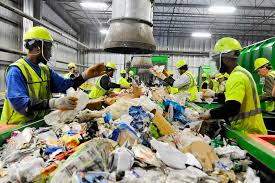
Why is trade waste disposal important for commercial properties?
Trade waste disposal is a critical aspect of managing commercial properties efficiently. Improper handling can lead to environmental hazards, regulatory fines, and increased operational costs. Statistics indicate that businesses that adopt structured trade waste disposal management practices reduce overall waste-related expenditures by up to 30% annually. Proper disposal ensures compliance with local regulations and supports sustainability initiatives, which are increasingly valued by customers and stakeholders.
What are the most common types of trade waste generated by commercial properties?
Commercial properties typically produce a range of trade waste, including food waste, packaging materials, paper, cardboard, and industrial by-products. According to recent industry studies, food and organic waste alone account for nearly 40% of all commercial waste. Packaging materials contribute another 25%, emphasizing the need for effective segregation and recycling strategies. Identifying the type and volume of waste is the first step in implementing cost-efficient disposal solutions.
Which cost-effective methods are available for trade waste disposal?
Several strategies can help businesses manage trade waste economically. Recycling and composting are among the most effective, converting organic waste and recyclables into reusable products. On-site compactors and balers can reduce waste volume, minimizing transportation costs. Statistics show that businesses using compactors can cut disposal costs by 20–35% annually. Additionally, partnering with local recycling centers often offers financial incentives for specific types of waste.
How can commercial properties reduce waste disposal costs without compromising compliance?
Waste audits are a practical solution. Conducting a comprehensive assessment of waste generation helps identify areas for cost savings and efficiency improvements. Data from commercial properties shows that regular waste audits can reduce unnecessary disposal by 15–25%. Training staff in proper segregation and disposal procedures also contributes to lower costs while ensuring regulatory compliance.
Are there technology-driven solutions for managing trade waste effectively?
Yes, technology is increasingly shaping trade waste management. Smart bins, waste tracking software, and automated scheduling tools help businesses monitor waste volumes in real-time. Research indicates that properties using digital waste management tools report a 10–20% improvement in operational efficiency. Predictive analytics can further optimize pickup schedules, reducing fuel costs and greenhouse gas emissions.
What trends are shaping the future of trade waste disposal for commercial properties?
Sustainability continues to drive innovation in waste management. Commercial properties are investing in circular economy practices, emphasizing recycling, energy recovery, and waste reduction. Data shows that businesses adopting these trends not only save costs but also enhance brand reputation and attract environmentally conscious clients.
In conclusion, effective trade waste disposal is more than just a regulatory requirement—it’s an opportunity to cut costs, improve efficiency, and contribute to a sustainable future. Implementing structured, technology-driven, and eco-friendly strategies offers commercial properties measurable financial and environmental benefits.